Mount Lovćen is Montenegro's most sacred mountain - the spiritual and cultural heart of the Montenegrin nation. Combined with a visit to the historic village of Njeguši and the royal capital of Cetinje, a day trip to Lovćen is one of the most rewarding cultural experiences in Montenegro.
1. Mount Lovćen - The Black Mountain
Mount Lovćen gives Montenegro its name - "Crna Gora" means "Black Mountain" in Serbian, a reference to the dark appearance of Lovćen's peaks when viewed from the Adriatic coast. The mountain rises to 1,749 metres at its highest point and dominates the landscape above Kotor and the Bay of Kotor.
Lovćen National Park was established in 1952 and covers an area of 6,220 hectares. The park protects a remarkable landscape of rocky peaks, ancient forests, traditional stone villages and breathtaking viewpoints over the Bay of Kotor and the Adriatic Sea.
2. The Njegoš Mausoleum
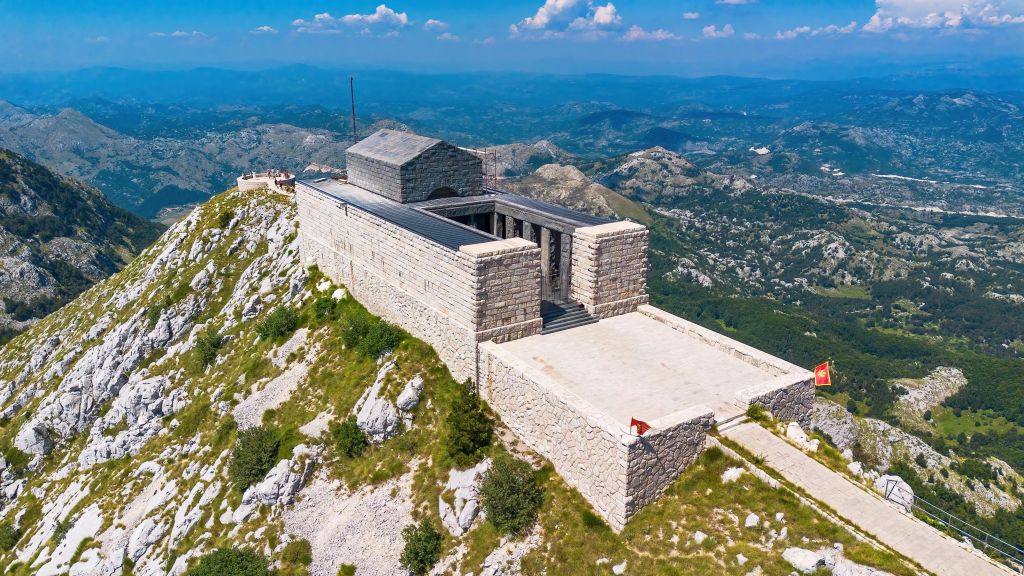
The highlight of any visit to Mount Lovćen is the Njegoš Mausoleum - one of the most dramatic and moving monuments in the Balkans. The mausoleum is dedicated to Petar II Petrović Njegoš, the Prince-Bishop of Montenegro who ruled from 1830 to 1851 and is considered the greatest poet and philosopher in Montenegrin and Serbian history.
The mausoleum is located at the summit of Jezerski vrh, the second highest peak of Lovćen, at an altitude of 1,657 metres. To reach it, visitors climb 461 steps carved into the mountain. The effort is rewarded with one of the most spectacular panoramic views in Montenegro - on a clear day, you can see the entire Bay of Kotor, the Adriatic coast and on exceptional days, the mountains of Albania and Italy.
Inside the mausoleum, designed by the Croatian sculptor Ivan Meštrović, two granite caryatids guard the tomb of Njegoš, which is carved from a single block of black granite. The atmosphere is one of profound stillness and grandeur.
3. The Village of Njeguši
The village of Njeguši, nestled in a fertile valley on the slopes of Mount Lovćen, is the birthplace of the Petrović-Njegoš dynasty - the royal family that ruled Montenegro for over two centuries. The village is also famous throughout the Balkans for two of Montenegro's most celebrated culinary products - Njeguški pršut (smoked prosciutto) and Njeguški sir (hard cheese).
A visit to Njeguši is a journey into the heart of traditional Montenegrin culture. Stop at one of the local farms to taste freshly cut prosciutto and cheese, accompanied by local wine or rakija. The village has changed little over the centuries - stone houses, old wells and the smell of wood smoke create an atmosphere of timeless authenticity.
4. Cetinje - Montenegro's Royal Capital
No visit to Lovćen is complete without a stop in Cetinje, Montenegro's historic royal capital. Founded in the 15th century by Ivan Crnojević, Cetinje served as the capital of Montenegro until 1918 and remains the country's cultural and ceremonial capital today.
Cetinje is a small, unhurried town with an extraordinary concentration of historical monuments, museums and diplomatic buildings. The Cetinje Monastery, founded in 1484, is the spiritual centre of the Montenegrin Orthodox Church. The National Museum of Montenegro, housed in the former royal palace, contains a remarkable collection of art, weapons and historical artefacts.
5. The Serpentine Road from Kotor
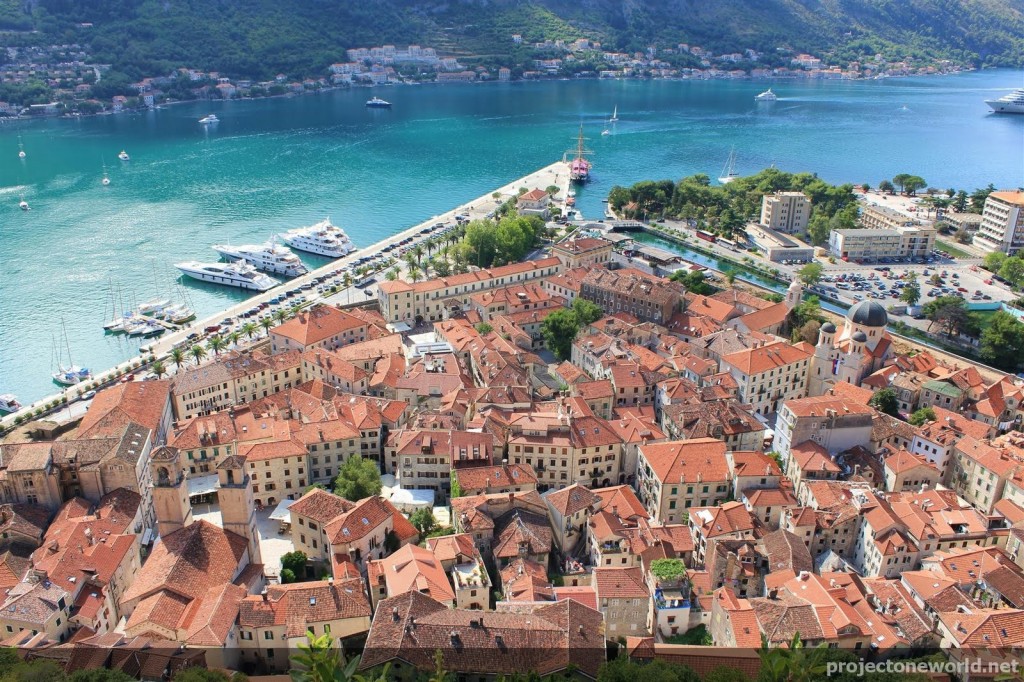
One of the most spectacular drives in Montenegro is the serpentine road from Kotor up to Lovćen National Park. The road climbs steeply from sea level, with 25 hairpin bends offering increasingly dramatic views over the Bay of Kotor and the old town below. The drive itself is one of the highlights of the tour - a breathtaking ascent from the Adriatic coast to the mountain peaks above.
Monte Adventurer offers expert private day trips to Lovćen and Njeguši from Kotor, Budva and other locations on the Montenegrin coast. Your local guide brings the history and culture of Lovćen to life, making your visit a truly memorable experience.